Palestine Economy Between International Recognition and Losses: Searching for Viability
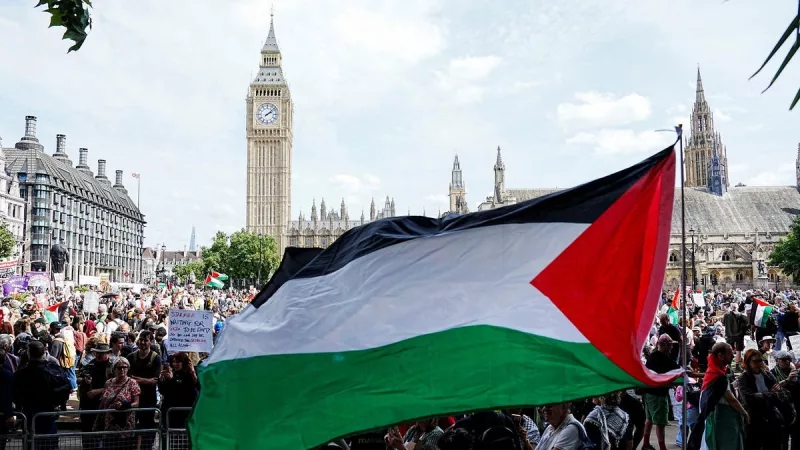
The recent wave of international recognition of the State of Palestine marks a significant political shift, raising fundamental questions about the future of the Palestine economy and its ability to become viable and sustainable.
While the growing number of recognizing countries represents a major diplomatic and symbolic gain, it also underscores the challenge of converting political momentum into tangible economic benefits for everyday life in Palestinian territories.
In principle, international recognition could help integrate the Palestine economy more deeply into the global system by easing access to international organizations, development funding, and long-term financial assistance that was previously constrained by political considerations.
This shift also enhances the legitimacy of Palestinian institutions and may pave the way for economic and trade agreements that support investment and productive sectors.
However, such opportunities remain constrained without concrete action on the ground, given ongoing occupation-related restrictions on resources and movement.
The central question remains whether the international community is prepared to move beyond political statements and apply real pressure to create conditions that allow the Palestine economy to grow sustainably.
Without addressing structural obstacles, political recognition alone is unlikely to translate into lasting economic resilience.